

SONA 2026
WHAT IT MEANS FOR HIGHER EDUCATION AND YOUNG SOUTH AFRICANS
During the 2026 State of the Nation Address (SONA), President Cyril Ramaphosa placed renewed emphasis on education as a central pillar of South Africa’s long-term economic recovery and social transformation. While the address covered multiple sectors, the commitments around higher education, skills development, and youth employability carry particular significance for students, institutions, and bursary stakeholders.
Below is a focused breakdown of the key education-related themes from the State of the Nation Address and what they mean in practical terms.

EXPANDING ACCESS TO HIGHER EDUCATION

A core message in the address was the continued expansion of access to tertiary education and training. The President reaffirmed government’s commitment to:
-
Increasing funding for students from poor and working-class households
-
Expanding capacity within universities and TVET colleges
-
Improving infrastructure to accommodate rising student demand
South Africa continues to experience record levels of university applications each year, reflecting both demographic pressure and the growing recognition that post-school qualifications are critical for economic mobility. However, access remains constrained by limited space and funding.
The President acknowledged this pressure and indicated that public investment in higher education infrastructure and student financial support remains a priority.
Implication: Access is expanding, but funding sustainability, infrastructure efficiency, and better administration will be critical to ensure that growth translates into completion and employment outcomes.
STRENGTHENING TVET COLLEGES AND SKILLS PATHWAYS
A major emphasis was placed on Technical and Vocational Education and Training (TVET) as a key lever for economic inclusion.
Government signalled:
• Greater alignment between TVET curricula and industry demand
• Partnerships with the private sector to support workplace-based learning
• Modernisation of college facilities and digital systems
This reflects a broader recognition that not all economic opportunity flows through traditional university pathways. Skills in renewable energy, manufacturing, construction, logistics, and digital services are becoming increasingly important.
Implication: The shift toward demand-driven skills training creates an opportunity for better coordination between government, employers, and training institutions, particularly in sectors tied to infrastructure and energy reform.

ADDRESSING YOUTH UNEMPLOYMENT THROUGH EDUCATION-TO-WORK TRANSITIONS
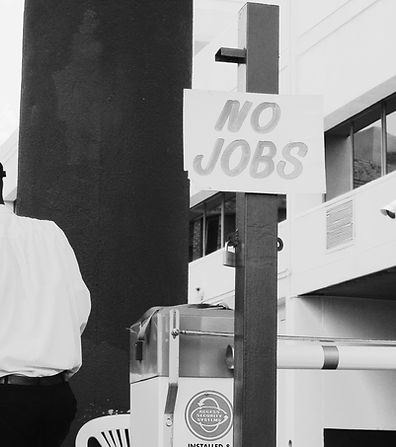
Youth unemployment remains one of South Africa’s most urgent structural challenges. In SONA 2026, the President linked education reform directly to employment outcomes by:
• Expanding youth employment initiatives
• Supporting work-integrated learning programmes
• Encouraging private-sector participation in training and mentorship
The message was clear: education alone is not enough. Transition mechanisms matter.
This includes:
• Internship pipelines
• Graduate placement programmes
• Structured mentorship and career guidance
• Digital job-matching platforms
Implication: The focus is shifting from access alone to access plus employability. Measuring graduate outcomes will become increasingly important in policy and funding conversations.
DIGITAL TRANSFORMATION IN EDUCATION
The President referenced the importance of digital systems in strengthening state capability and this extends to education.
Key themes included:
• Modernising public systems
• Improving administrative efficiency
• Using technology to enhance service delivery
In higher education, this means:
• Digital application systems
• Integrated student data management
• Improved monitoring of academic progression
• Better oversight of public funding
Given rising application volumes and fiscal pressure, digitisation is no longer optional, it is foundational to scaling access responsibly.
Implication: Institutions and programme administrators will need robust digital infrastructure to meet compliance, reporting, and performance expectations.

BUILDING A CAPABLE AND ETHICAL EDUCATION SYSTEM

A recurring theme throughout the address was the creation of a “capable and ethical state.” In the education context, this translates to:
• Stronger governance in public institutions
• Improved financial oversight
• Transparent administration of student funding
• Accountability for performance
As public investment increases, scrutiny will increase alongside it.
Implication: Compliance, governance, and measurable impact will shape the future of publicly funded education programmes.
CONCLUSION: WHAT THIS MEANS FOR STUDENTS, INSTITUTIONS, AND BURSARY STAKEHOLDERS
The direction set out in SONA 2026 suggests five emerging priorities:
1.Scale with accountability: Access will grow, but monitoring and compliance will intensify.
2.Outcome-based measurement: Completion and employment outcomes will matter more than enrolment numbers alone.
3.Industry alignment: Skills pathways must match economic demand.
4.Digital administration: Manual processes will struggle to cope with scale and scrutiny.
5.Partnership models: Government alone cannot solve youth unemployment; collaboration with the private sector is essential.

OUR COMMITMENT AT EXCEL@UNI

At Excel@Uni, we believe every result represents potential. That is why we exist to ensure students do not only access funding, but receive the academic, emotional, and career support needed to truly succeed.
We celebrate every learner who wrote, every teacher who guided, every parent who sacrificed, and every community that believed.
To the Class of 2025:
South Africa sees you. South Africa believes in you. And South Africa is proud of you.